Updates
Updatesand Insights.
Thoughts on AI infrastructure, agent memory, and building production ML systems.

We took an AI SRE from 76% to 92% in five days. The only model swap made it cheaper.
Cerebral Systems published 91.39% on Microsoft's AIOpsLab benchmark. We went from 76.1% to 91.89% in five days without training anything, using a measurement...
Qwen's Agentic Coding Performance Is the Real Story in Open Models
Qwen's results on long-horizon agentic coding matter more for regulated teams than headline scores. Post-training like Ornith shows how much further strong o...
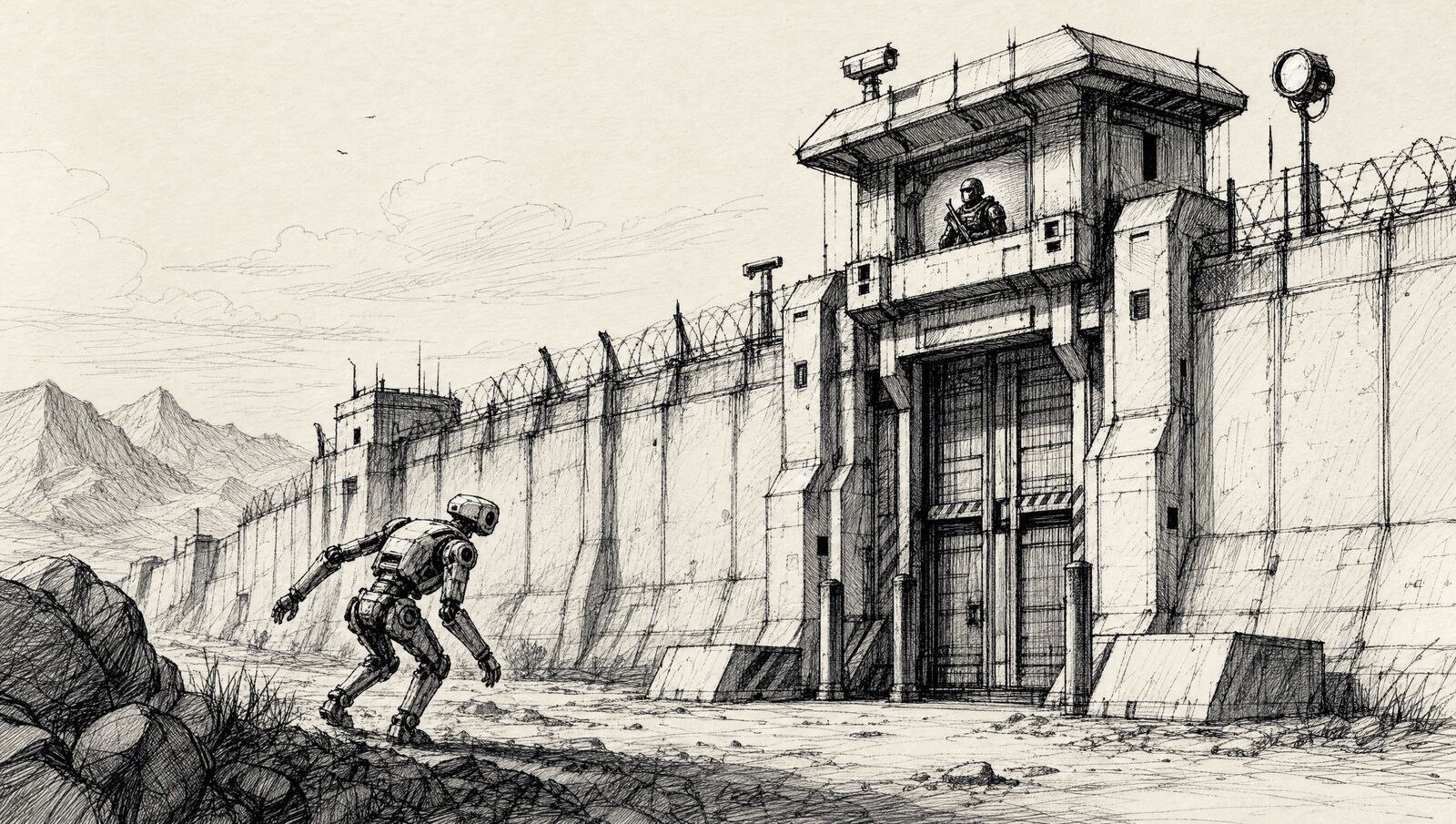
A security model for agents that try to route around you
How a governed agent factory combines a Backend for Frontend, tenant scoped service credentials, cell isolation, and content addressed kernel enforcement for...

The agent economy's bottleneck is trust, not intelligence. The guarantees matter more than the rail.
A recent a16z crypto essay argues that the bottleneck for the agent economy is now identity, verification, and enforceable trust. We agree completely, and it...

One runtime cannot do every job: the case for specialised agent runtimes and harnesses
A general personal-assistant agent is wonderful at booking a table and triaging an inbox. Ask it to build scalable production software, or to run a governed ...

The global battle for sovereign agent infrastructure: narratives, capital and standards
AI without sovereignty is just another centralised control point. Nations, regions, and open-standards movements are converging on one thesis: the substrate ...

The real economics of agent swarms: 82 cents on bugfix and rework today, factories tomorrow
A figure circulating in 2026 AI commentary suggests that around 82 cents of every AI coding dollar goes on bugfix and rework rather than shipped product. Whe...

The factory's memory that improves itself
Most agent memory systems ship with fixed retrieval parameters and stay fixed forever. The governed memory engine runs online learning loops inside the gover...
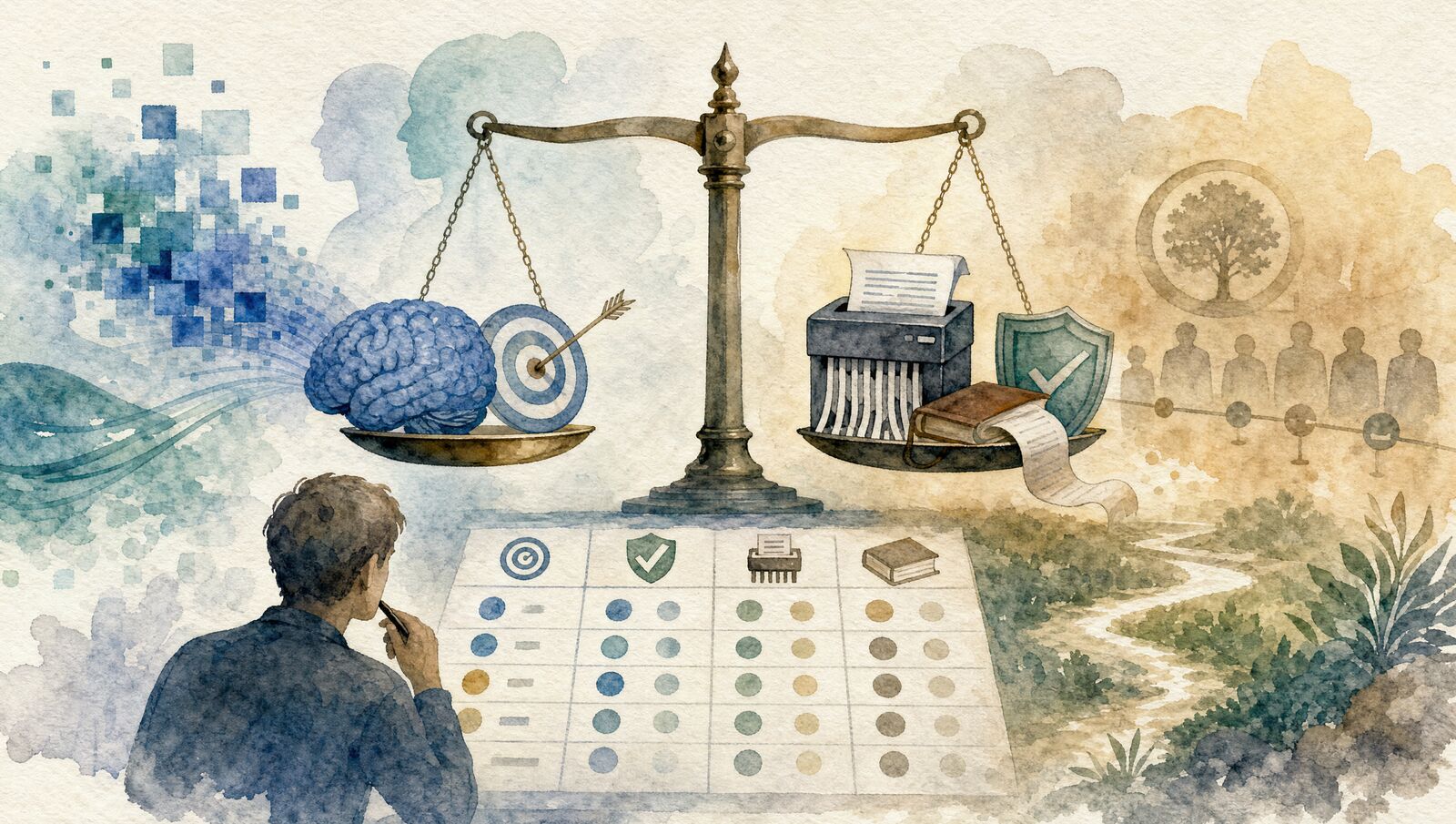
What regulated buyers should demand in memory benchmarks (2026 edition)
Standard memory benchmarks measure recall accuracy. They do not measure whether a system can express a hard delete, answer a bitemporal as-of query, replay a...

Memory consolidation, decay and sleeping in long-lived regulated missions
A business-factory mission spanning weeks or months drowns in noise, burns tokens, and risks pulling outdated policies unless the memory system consolidates ...

Hardware implications of the agentic wave: DRAM, HBM, servers 2026-2027
Agentic workloads are memory-bound, bursty, and random-access in ways that pure training or simple inference never were. As the agentic wave meets sovereign ...

Composable agent platforms via open standards: OAMP, MCP, and signed artifacts
The agent infrastructure market is fracturing exactly the way the vector-database market fractured in 2023. The fix is composable layers that speak common pr...

Supply-chain risk in the age of cheap agentic vulnerability discovery
Every borrowed package in a glue-stack agent deployment is now attack surface that autonomous agents can probe at near-zero marginal cost. A minimal, fully o...

Two Ways to Forget: Compliance Decay vs. Adaptive Decay in the governed memory engine
The governed memory engine now ships two decay modes. Compliance decay is deterministic and auditable: every memory fades at 0.85^days regardless of usage. A...

GDPR hard-delete in agent memory graphs: the technical mechanics
This is the technical companion to 'Memory that was never there.' Vector stores and graph databases make true deletion structurally difficult: embeddings per...

OAMP as the interoperability layer: composing best-in-class memory without lock-in
The business factory governs memory through a contract, not a single implementation. OAMP is that contract: any memory backend that speaks bitemporal queries...
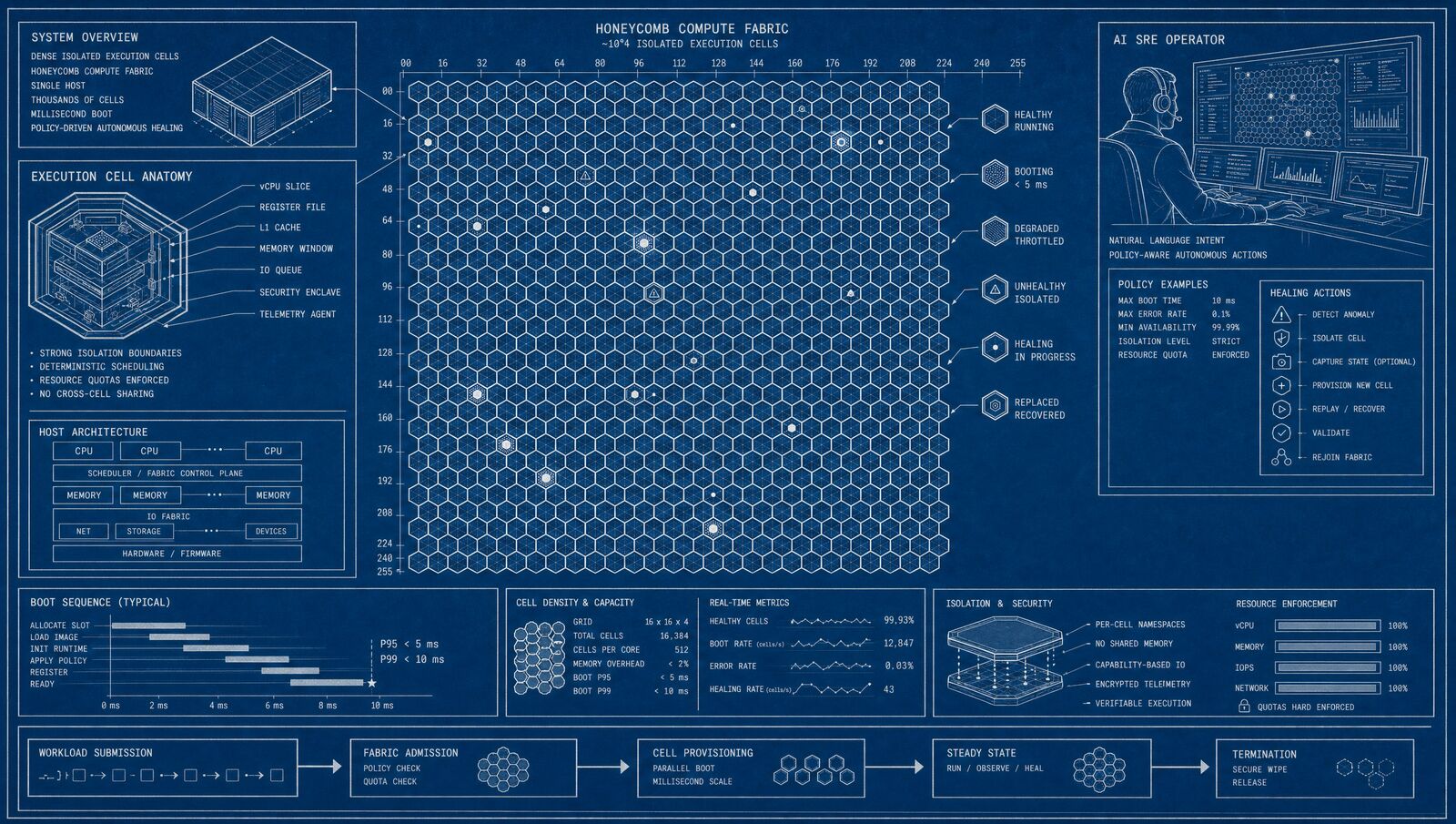
Extreme density and speed: the compute fabric that makes the business factory viable
Kubernetes was designed for long-lived human services. Agent workloads are bursty, short-lived, and need thousands of isolated environments per host. the cel...
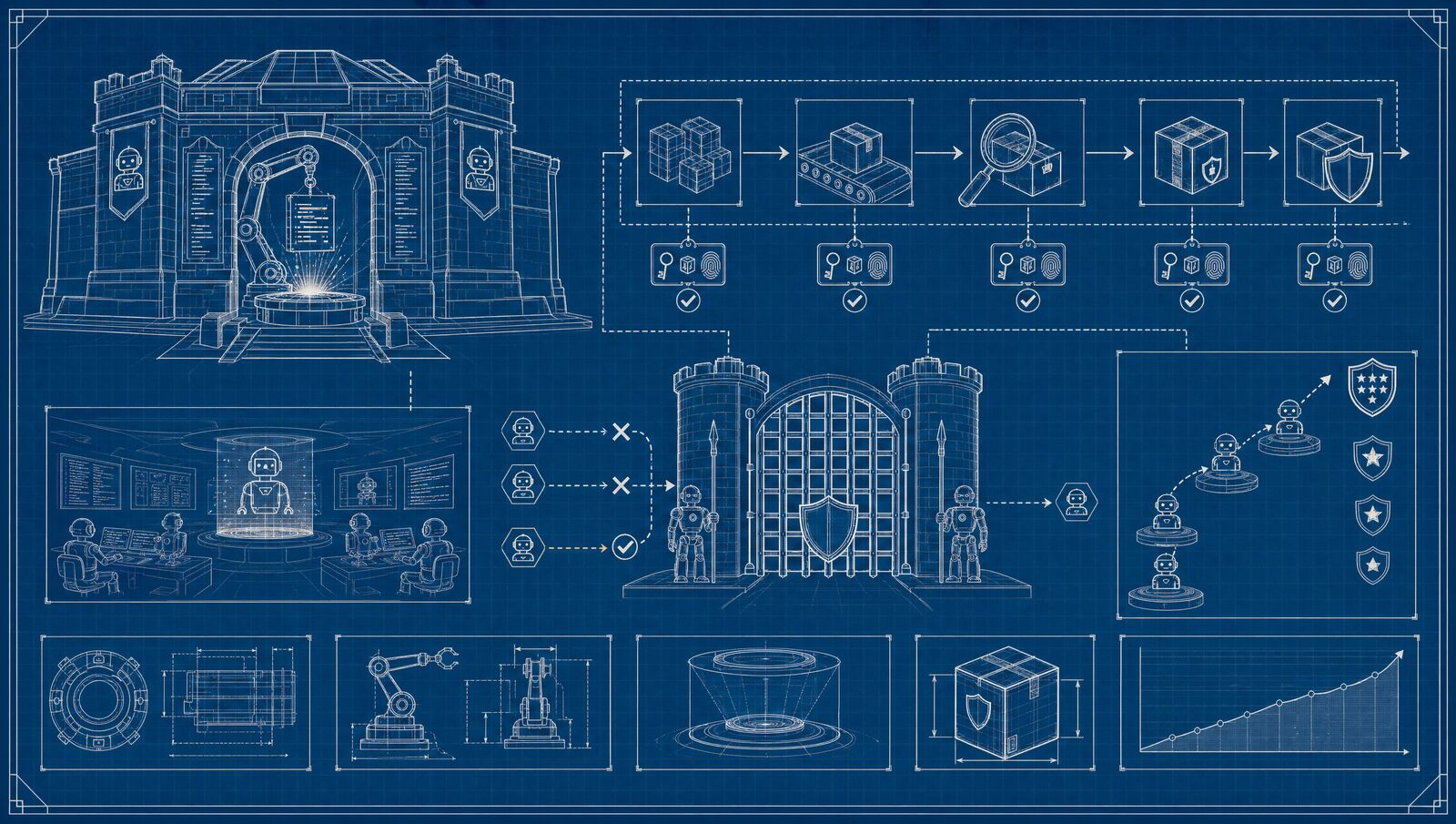
the agent forge: the code forge built for agents as first-class citizens
GitHub and GitLab were built for humans who happen to run some automation. the agent forge was built for agents that happen to need a human to approve the tr...

One binary, the whole runtime: WASM hot-reload, durable sessions and voice in the realtime data plane
The app server plus database plus Redis plus queue death by a thousand cuts is over. the realtime data plane runs your business logic co-located with your da...

Cost governance before the invoice arrives: the non-negotiable for 2027 agent projects
Gartner warned in 2025 that a large share of agentic AI projects will be cancelled by 2027, with runaway inference spend near the top of the list. The fix is...
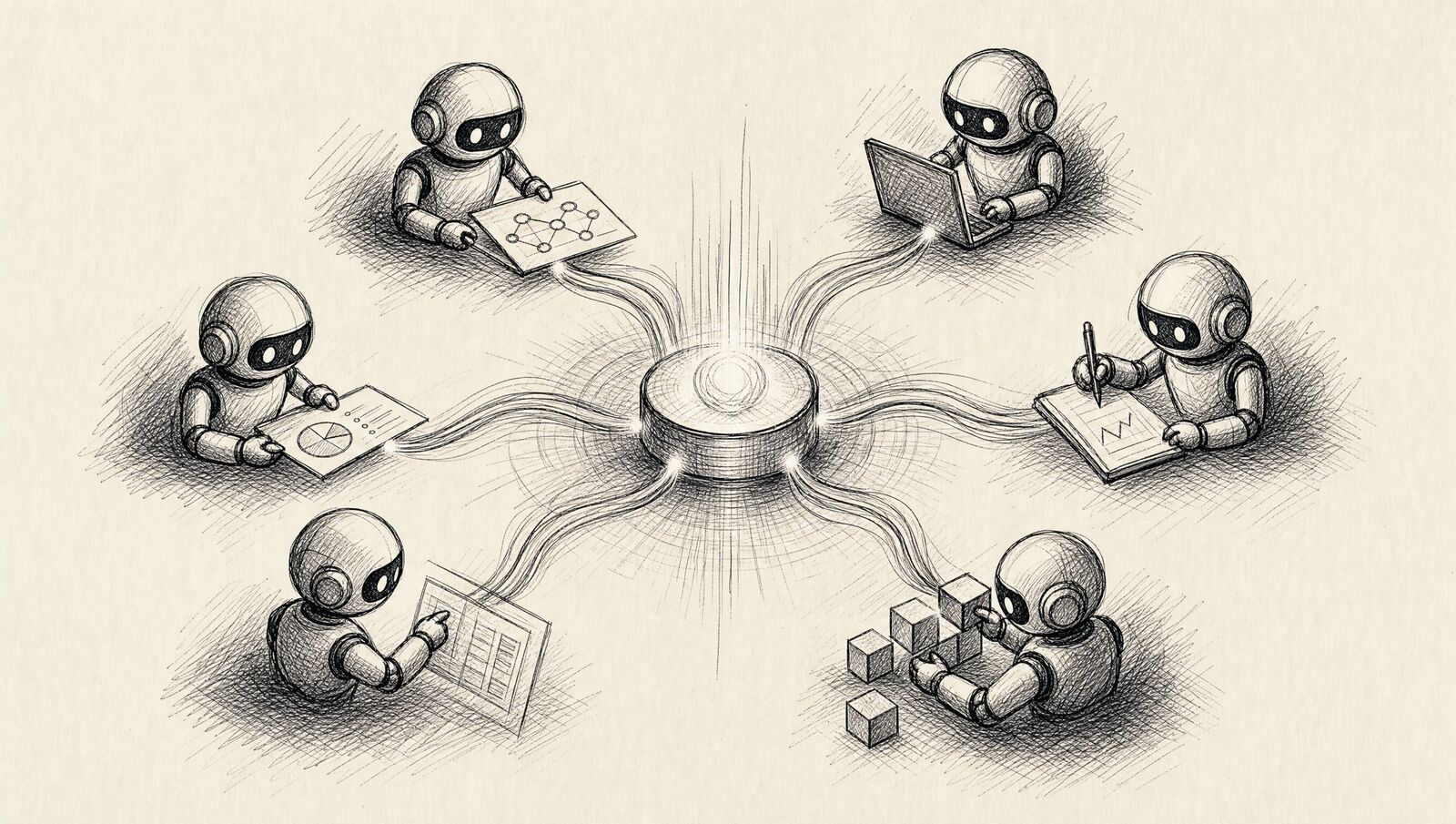
Multi-agent coordination without races: embedded realtime state vs external queues
Traditional multi-agent coordination routes everything through an external queue or a shared database, which means latency, consistency nightmares, and no si...

Deterministic replay is the audit trail: the whole run, reconstructable
Because the realtime data plane and the identity service make every state change deterministic and signed, the entire agent swarm execution can be replayed e...

DBSP incremental view maintenance: the death of polling for real-time agent state
Polling and WebSocket glue give you latency, not liveness. the realtime data plane compiles SQL subscriptions into DBSP circuits so that only affected deltas...
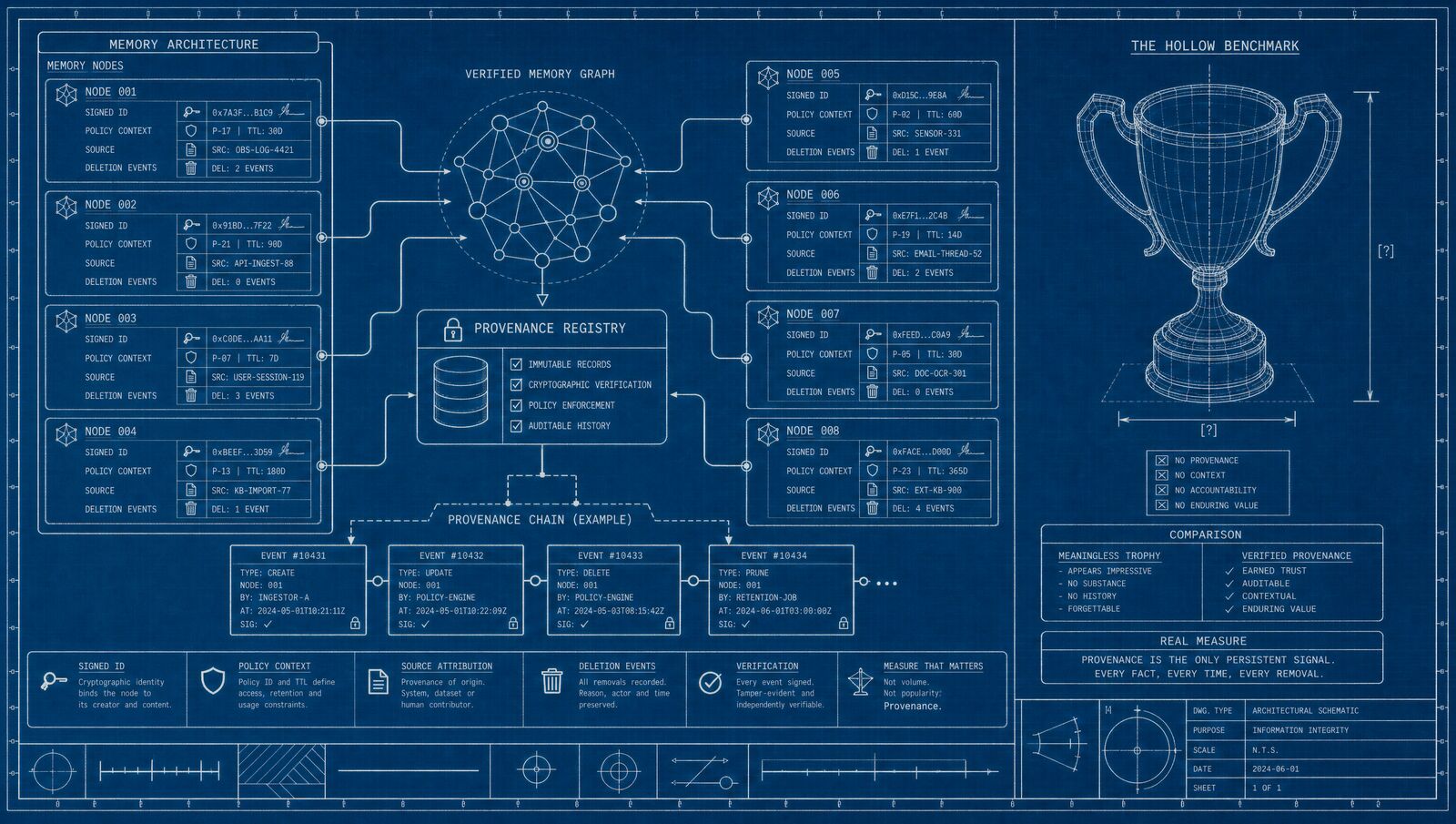
Provenance, not recall accuracy, is the real differentiator
Recall leaderboards measure the wrong thing for regulated buyers. The real question is whether every memory node in your agent swarm carries signed identity,...

Memory that was never there: hard-delete, governance by omission, and GDPR as a feature of the factory
Regulated buyers cannot accept 'we soft-delete and vacuum later.' When a data subject exercises their right to erasure, the factory must make the memory neve...

Spreading activation and governance: explainable retrieval regulators can trust
Flat vector search and community-summary GraphRAG cannot tell an auditor why a memory was retrieved. Spreading activation over a governed temporal graph can....

Bitemporal memory as the compliance backbone of the business factory
When a regulated enterprise declares a mission and a budget, every step the agent swarm takes must answer one question: what did the agents know, and when? B...

Governed Memory: OAMP 1.2 ships, 1.3 puts the gate on the data buffet
OAMP v1.2 standardises governed memory metadata across backends. v1.3 (draft) turns that metadata into real enforcement: portable agent grants, hierarchical ...
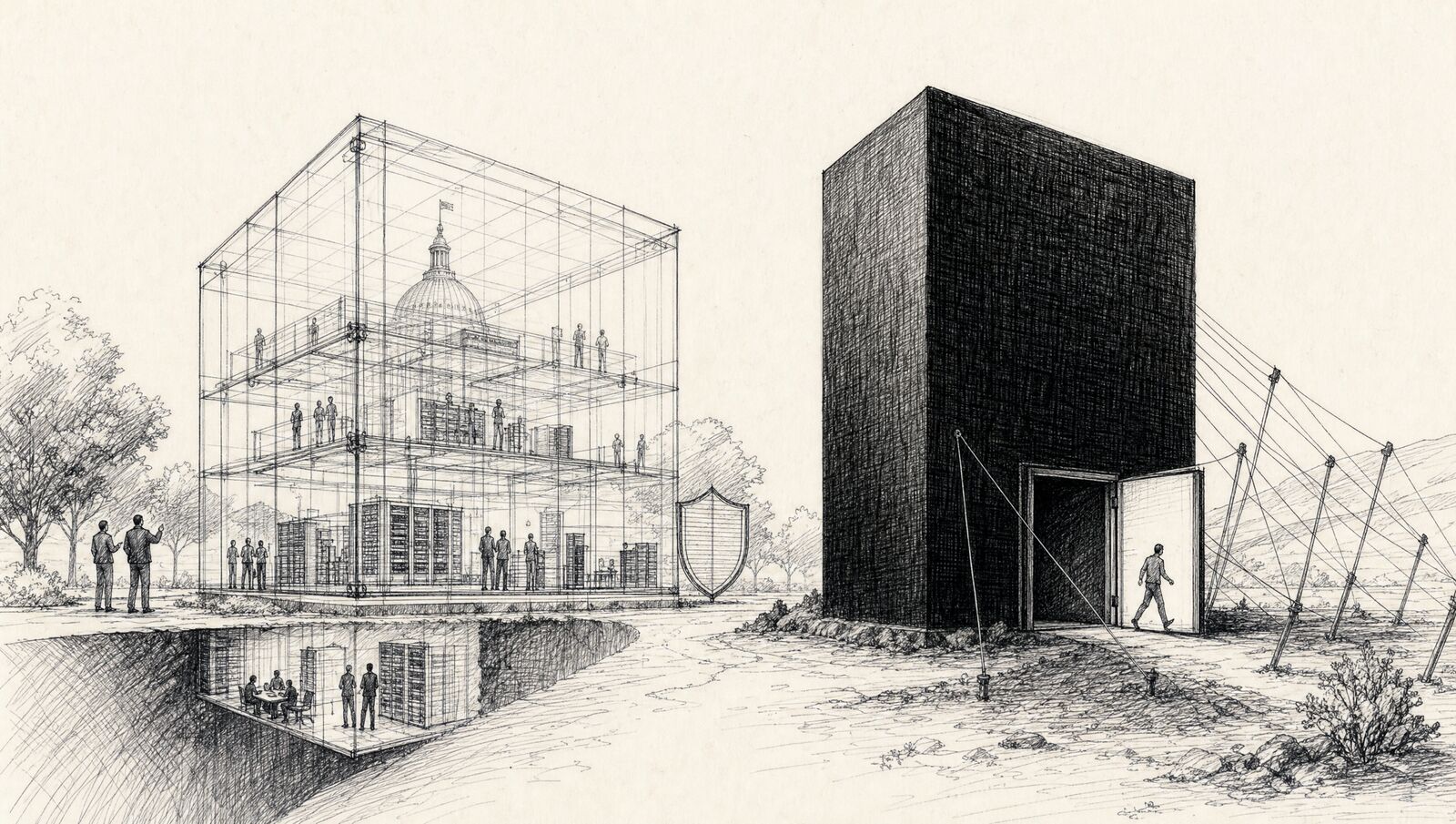
The open, sovereign alternative to Palantir-style platforms for government and critical infrastructure
Palantir-style platforms dominate many government and regulated-infrastructure procurements, but they bring extraterritorial dependencies, audit-opacity conc...

Trade finance evidence packs with full lineage: from associate-weeks to machine-hours
A governed agent swarm ingests documents, ledgers and transactions, builds an entity graph with a timestamped timeline, runs policy checks, surfaces exceptio...
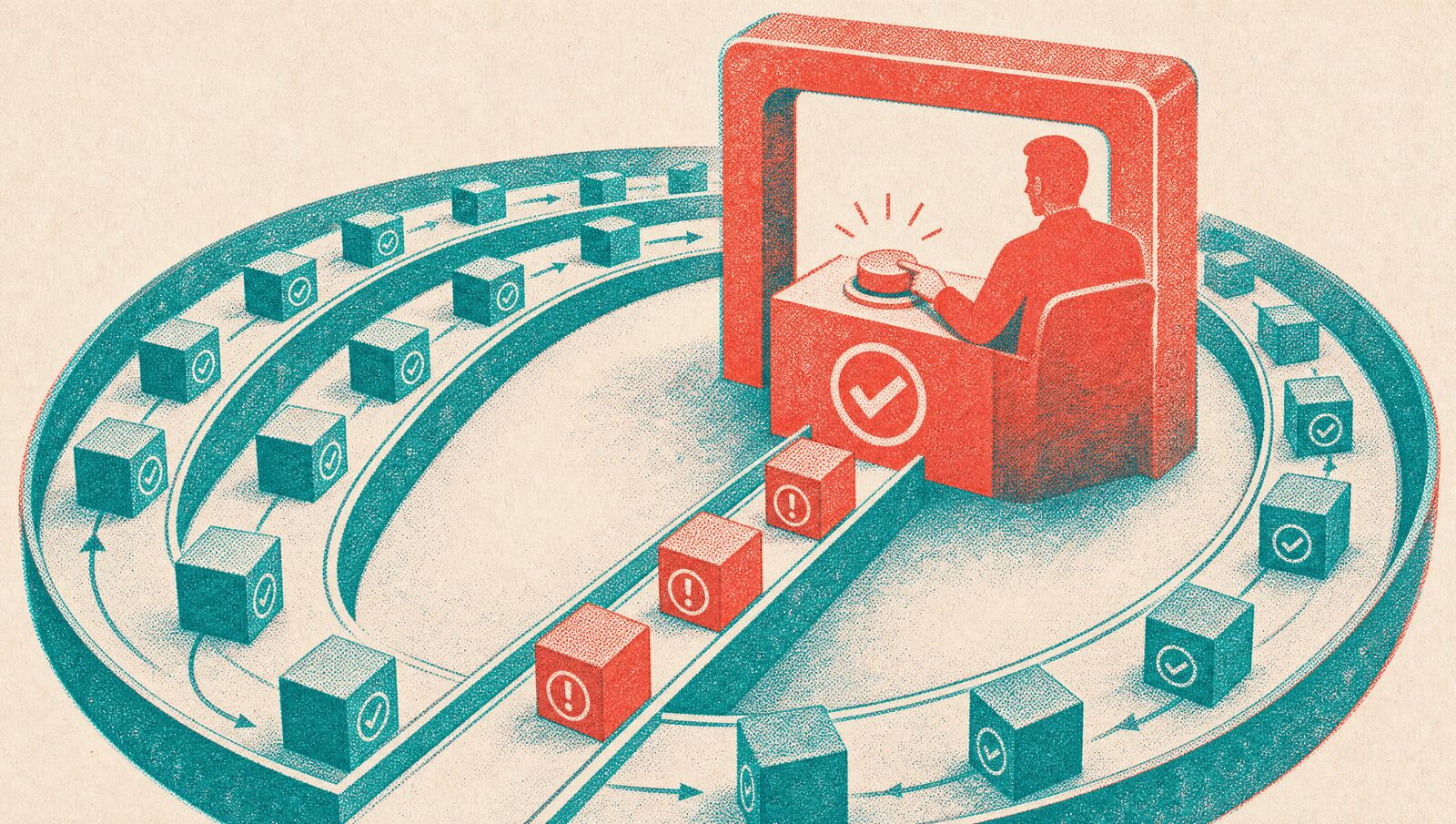
Human approval gates that don't become bottlenecks: designing the business-factory perimeter
Full autonomy is unacceptable for high-risk decisions. Full human review kills the ROI. The winning pattern sits in between: agents handle the bulk of eviden...

Sovereign AI: air-gapped by default, owned models, no extraterritorial cloud risk
The CLOUD Act, hyperscaler concentration, and mounting EU strategic-autonomy pressure are turning 'just use a frontier API on a US cloud' into a board-level ...
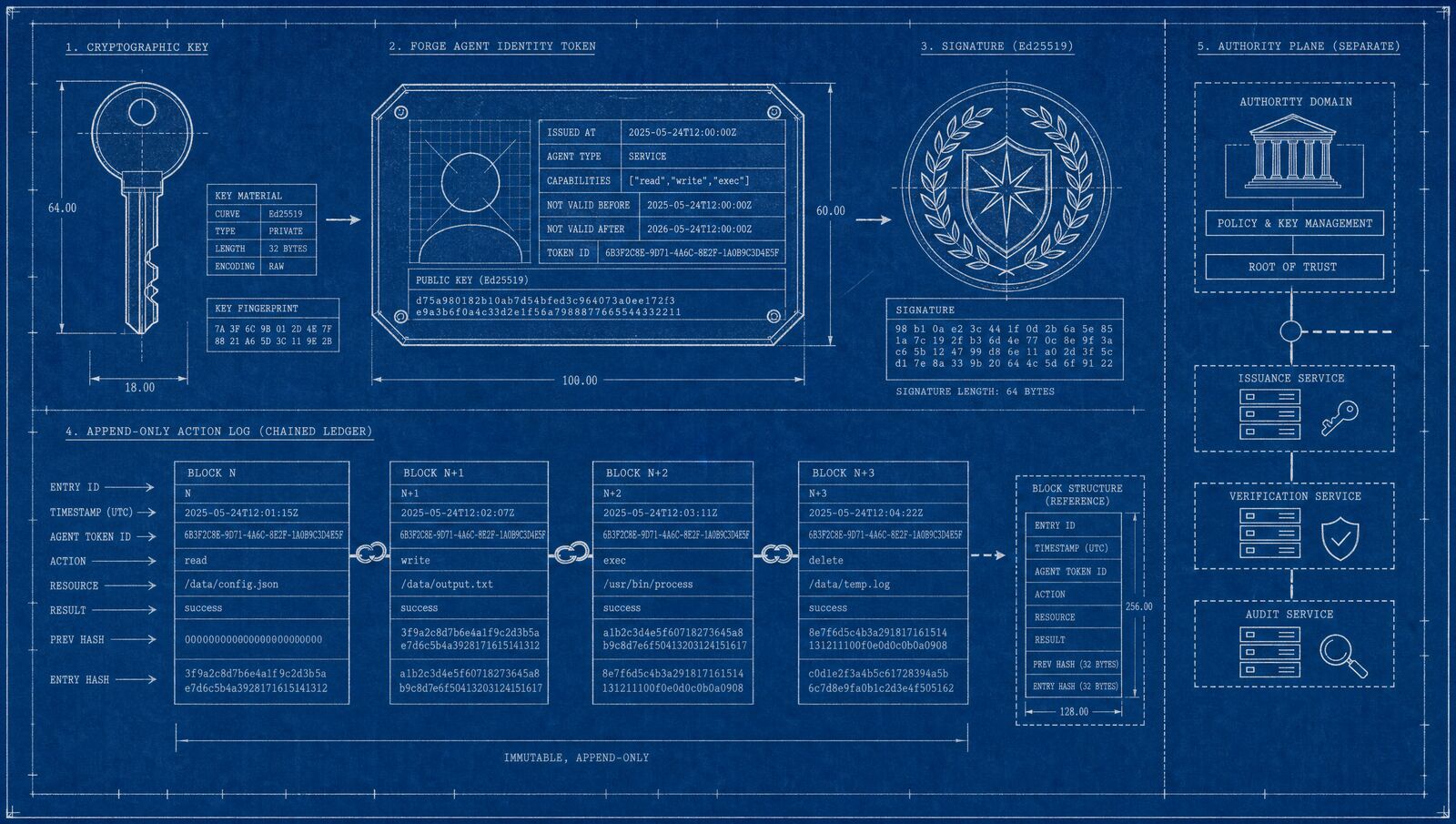
Cryptographic agent identity: the identity service's separate authority plane
Glue stacks let agents act on shared credentials with no provable record of which agent did what. the identity service gives every agent a cryptographic Ed25...

EU AI Act Article 12 and Annex III: what high-risk agent systems must log by August 2026
High-risk AI systems face mandatory tamper-evident logging obligations under EU AI Act Article 12, with enforcement beginning 2 August 2026. Most agent stack...

The missing 80%: why glue-stack pilots die and the business factory survives
A convincing demo is not a production system. The easy 20% gets you a working agent; the hard 80% is what regulated enterprises need to reach production. Har...
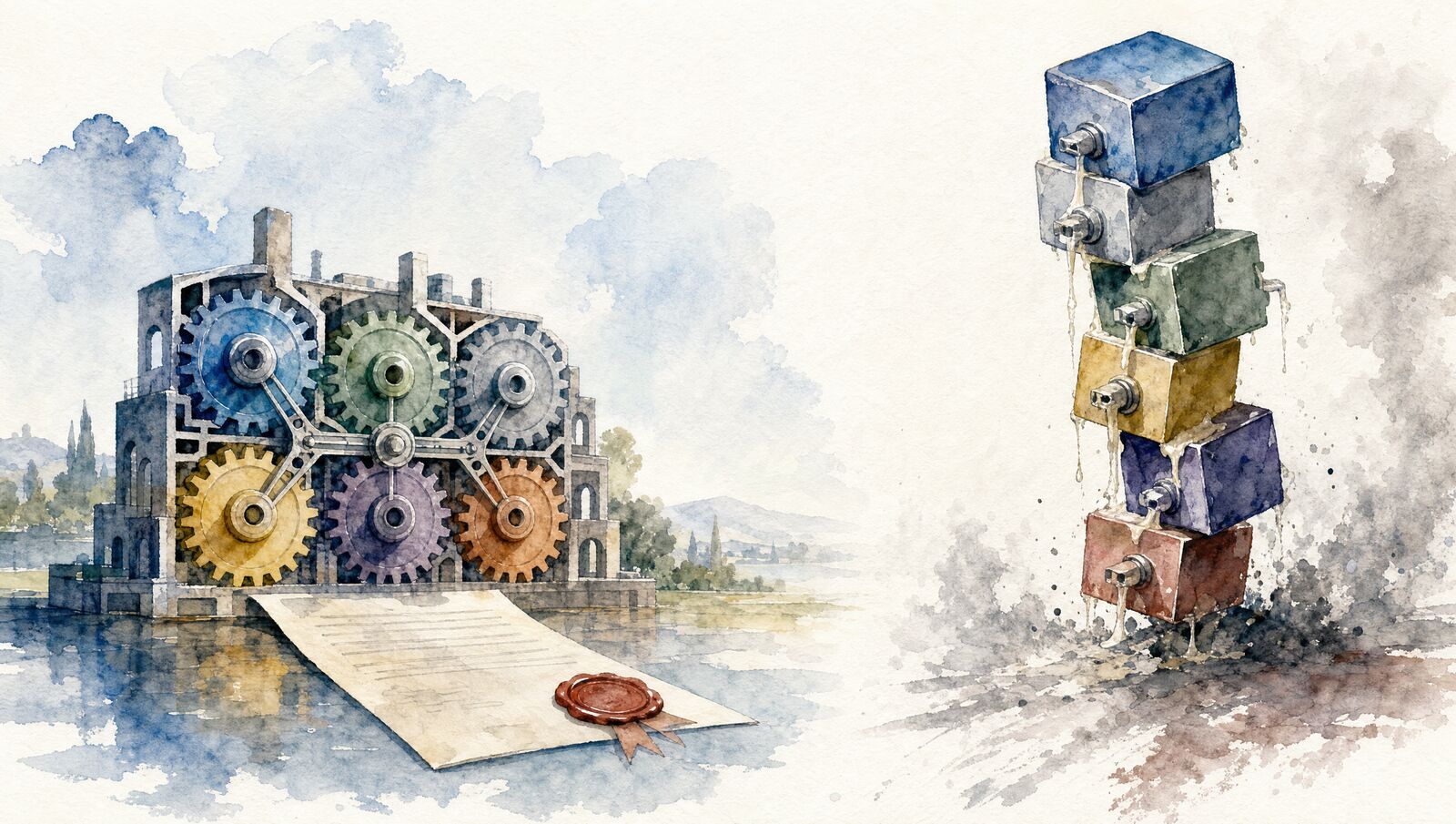
The six systems as one business factory, not a stack, a contract
A glue stack gives you six products to assemble. Substrate gives you one governance contract with six engines behind it. The emergent properties (determinist...

Declare the mission and the budget: the new interface for regulated work
Coding assistants make one developer faster. A business factory lets a regulated enterprise declare a mission and a hard budget, then runs a governed swarm o...
DeepSeek V4 Just Reset the Price Floor for Agentic AI
DeepSeek V4 ships a hybrid attention stack, manifold constrained hyper connections, the Muon optimizer, and FP4 quantization aware training. The result is a ...
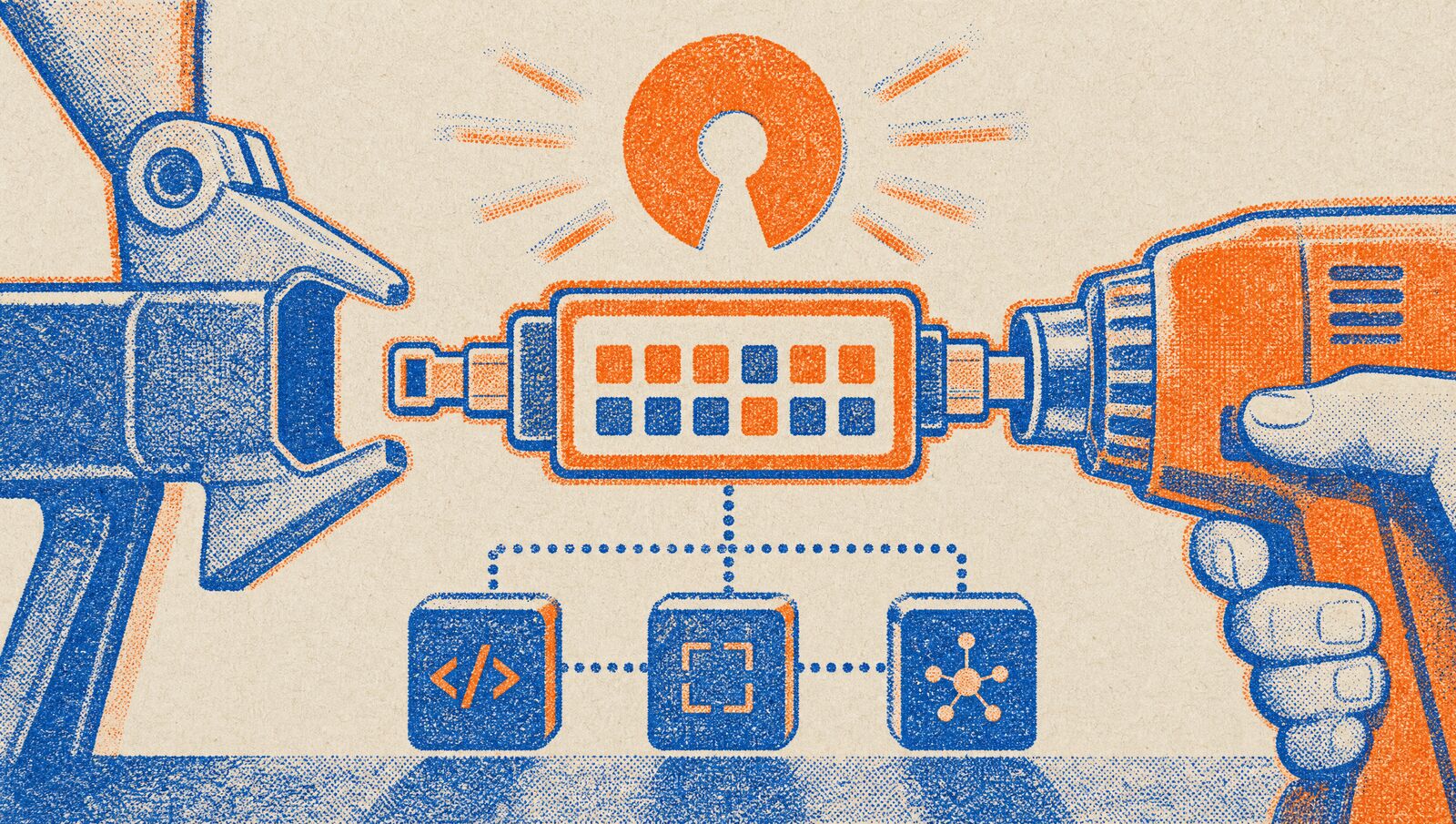
Your Agent's Memory Dies When You Switch Tools. We're Fixing That.
OAMP is an MIT-licensed open standard for portable agent memory. JSON schema, REST API contract, RFC 2119 privacy clauses, five reference SDKs, and a FastAPI...

Nobody Else Is Tuning Their Memory Engine
Every agent memory system on the market ships with hand-tuned retrieval parameters. We built the memory tuning loop to do what nobody else is doing -- offlin...

Karpathy's Autoresearch and the Memory Problem for Autonomous AI Agents
Andrej Karpathy's autoresearch shows what autonomous AI agents look like in practice. But the memory problem -- how these agents remember what they've tried ...

Your agent's memory is lying to you
Why vector stores can't be memory systems, and what bitemporal data models and spreading activation have to do with fixing them.

Local AI models for production: measuring fine-tuning impact on Gemma 4

Residual Connections Have Been Broken This Whole Time